


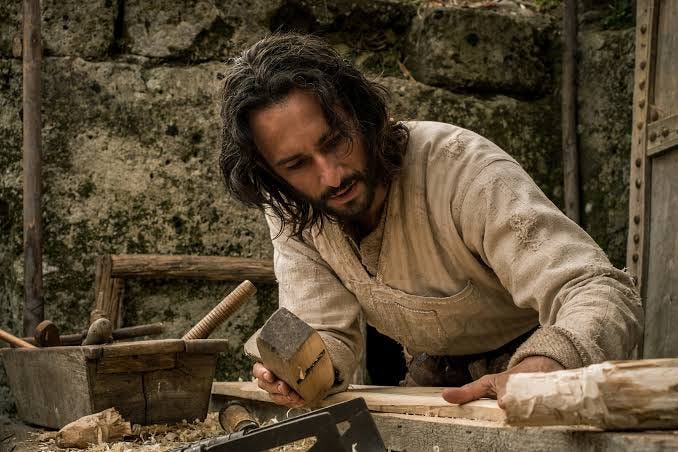
This is week 2 of a series where we are looking at how Jesus himself read and engaged with the Scriptures. If you missed Part 1 you can go back and get caught up here:

As someone who grew up in the church, I was handed a set of load bearing verses. These were the verses that the rest of my faith was built upon. All have sinned and fallen short of the glory of God. The wage of sin is death, but the gift of God is eternal life. If you confess with your mouth and believe in your heart. I had these memorized and heard them quoted to me in sermons over and over again.
I was handed a load bearing structure. Out of the thousands of verses in the Bible my faith tradition had chosen 5 or 6 of those verses and built the entire house on them. Every time I thought about my faith or talked about my faith one of those verses came to mind. Now, nobody would ever say that out loud. Nobody said that those were the verses that mattered the most, but it had become pretty obvious.
Everybody has them
Now, here is the thing though. Every tradition does this. The reformed folks build on the sovereignty passages. Prosperity preachers build on Jeremiah 29:11 or ask and you shall receive. Fundamentalists build on all Scripture is God breathed (which is a verse about Scripture doing the load-bearing work for every other verse). Progressives do it as well. They lean hard on Micah 6:8 or Matthew 25. For me, it’s the beatitudes or Luke 4:16-21. Again, everybody has them. It’s impossible to read a book this large, and this diverse and not have a few verses holding up your house. Whether you inherited them or built them yourself they are there.
And all I want to do is help people understand that having load bearing verses is okay. It’s normal. And healthy. As far as I know, I don’t think anybody else is talking about this idea but it’s a big theme in one of the chapters of the book I am writing. I wasn’t taught this idea in bible college or anything this was just a realization I had a few years ago that slowly over time my house began to rest on some different beams. And with that shift I now felt more at home than I ever had.
The verses Jesus built on
Which brings me back to the question this series is asking. If we want to read the Bible the way Jesus read it, we should investigate which verses were load bearing for Him. And the cool thing is, he told us. Out loud. On the record. More than once.
When a scribe came to him and asked which commandment is the greatest, Jesus answered with something called the Shema. Hear O Israel, love the Lord your God with all your heart and soul and mind, and then reached over to Leviticus 19 and added love your neighbor as yourself. Then he said something that gives this whole essay its name…
All the law and prophets hang on these two commandments.
Did you catch that? Hang on a minute. That is a structural phrase. Jesus is literally describing which words hold up the house.
But he doesn’t stop there. Twice in Matthew’s gospel Jesus reaches for a single line from the prophet Hosea. I desire mercy, not sacrifice. He quotes it when he is being criticized for eating with tax collectors and when his disciples pluck grain on the sabbath. Go and learn what this means he tells the religious experts. When the situation at hand put the surface of one text against the mercy of God, the mercy bores the load.
So, according to Jesus, love of God, love of neighbor, and mercy over sacrifice are the things the rest of the book rests on.
Opening up your own walls
So here is the invitation I have for you today. Stop pretending you don’t have load bearing verses. Take your cues from Jesus and embrace them. Share them. Talk about them. Write them down. Or start opening up some walls to figure out what your load bearing verses might be.
The good news of this whole series is that Jesus shows us that renovation is possible. He inherited a sprawling, gorgeous, and complicated set of Scriptures, but he read them with Love of God and neighbor bearing the weight. We can learn to do the same.
Next week we will wrap up the series by looking at what happens when we read the Bible less like a rulebook and more like a story that is going somewhere.
I don’t ask very often, but if you find my work helpful would you consider supporting it with a few bucks a month? I write this stuff in the margins of family, work, and other projects. Your support helps me keep going. You can upgrade to a paid subscription here:
Or give a one-time gift here:


Have you ever heard of bible journaling? It’s a practice that combines Scripture reading with writing, drawing, or reflection in order to deepen your relationship with God. If you love to draw or be creative, you may give this practice a shot. We used to have a bible journaling small group at one of the churches I worked at.
Here are some examples of this practice below.
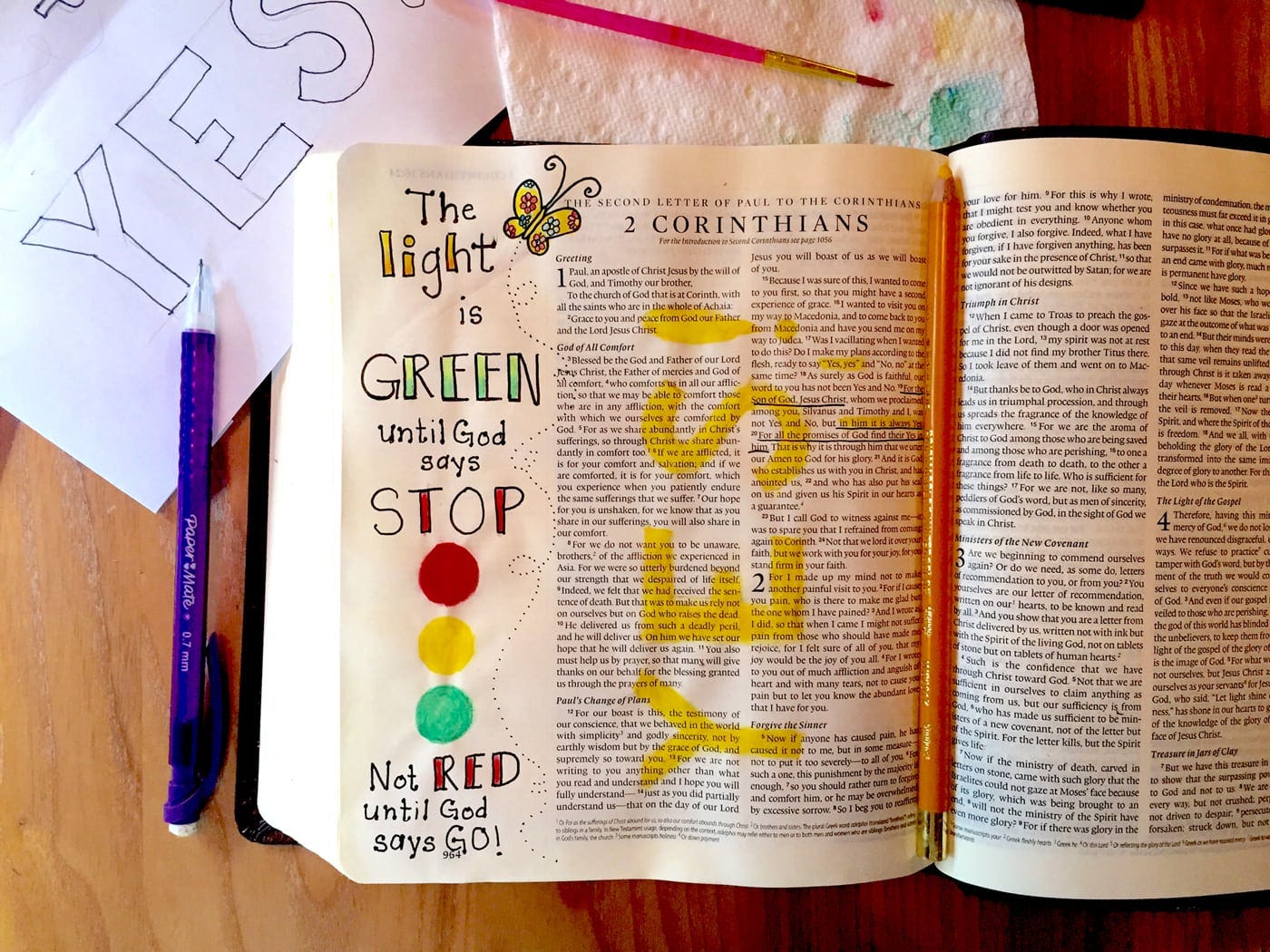
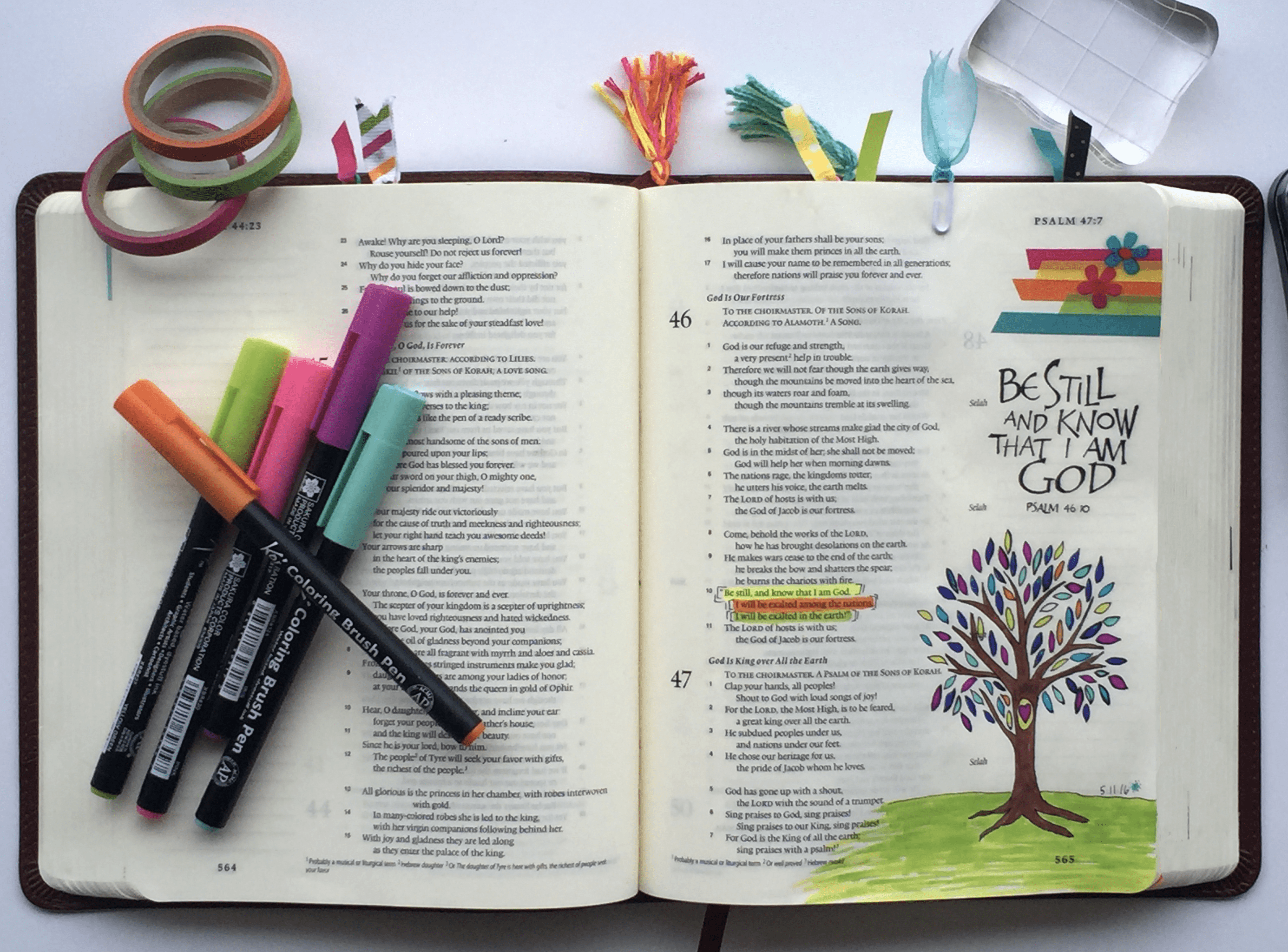

Instead of a book recommendation this week, I am offering up a podcast recommendation. It’s called The Bible For Normal People and it’s a podcast by Pete Enns (Odds and Enns) and Jared Byas that provides biblical scholarship for everyday folks.
With scholarly guest interviews, guided tours through biblical books, and the occasional existential crisis, you'll walk away with the tools to engage scripture critically, ask better questions, and realize that maybe—just maybe—the Bible is a lot weirder (and more interesting) than you were told in Sunday school.
You can subscribe to the podcast wherever you get yours, but the image below will take you to their website.


It had been years since my wife and I were able to get away on a trip by ourselves without kids, and we made that happen last weekend. We went glamping in the Ozark Mountains and then swung by Silver Dollar City. We had a great time. Here are some photos from last weekend:


See you next week, friend.

Great! Also Mt 23.23 - justice, mercy and faith - from what I got told off for calling Jesus' rant in an academic essay!
Jesus actually gave us the cheat sheet: love God, love your neighbor, mercy over sacrifice. Somehow we turned that into 2,000 years of arguing about everything except those three things. Christianity may be the only religion where the founder says, “Here’s what matters most,” and half the followers respond, “Great, but what’s Paul’s position on this?”